What Are the Advantages of Web Services in Modern Development?
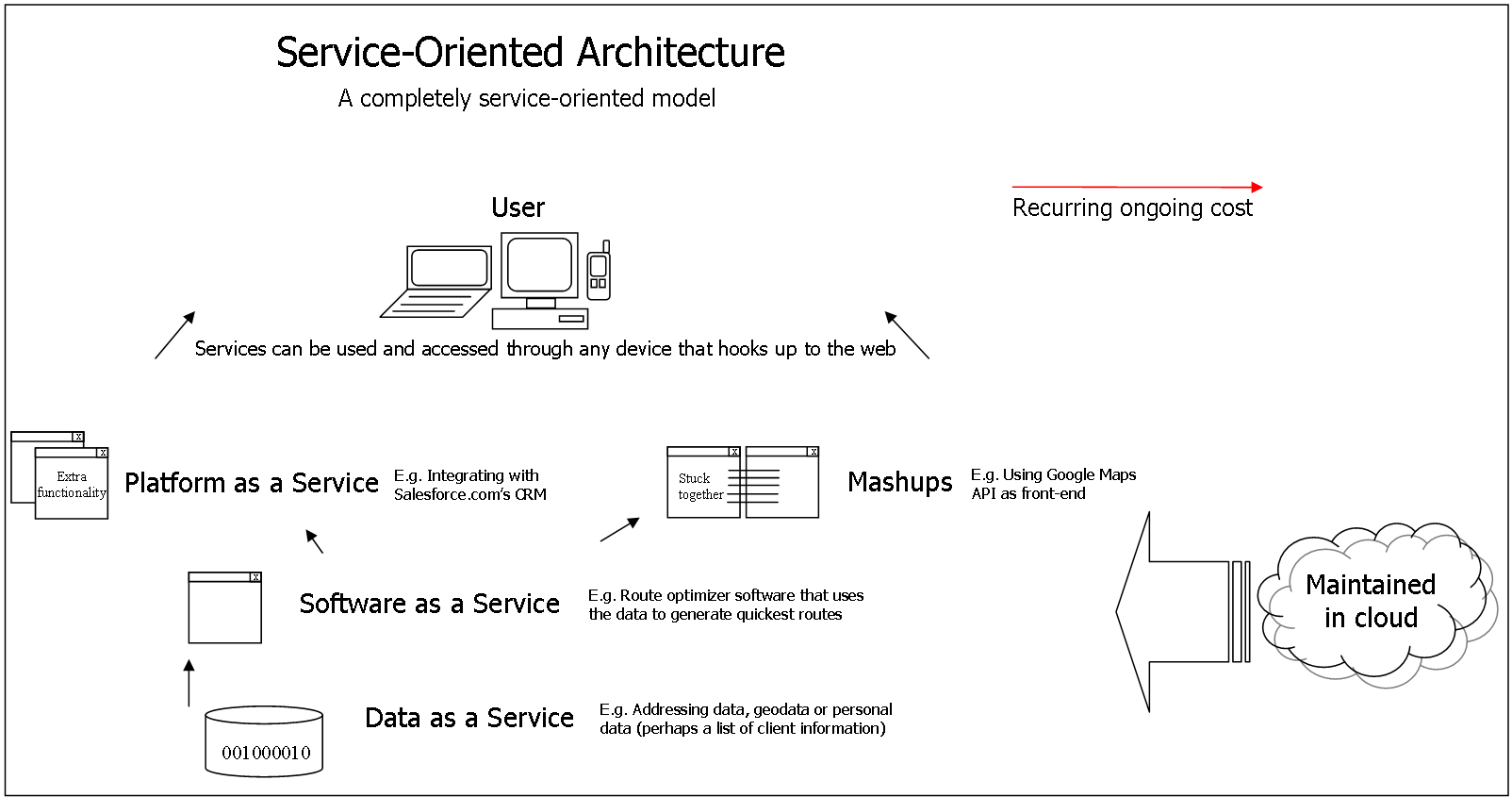
In today’s interconnected digital landscape, applications rarely operate in isolation. Web services are software applications that expose their functionality over the internet, allowing completely different systems to communicate, share data, and work together seamlessly.
Whether it is an e-commerce store verifying a customer’s address in real-time or a mobile app pulling live real estate listings, web services run the modern web behind the scenes.
The Top Advantages of Web Services
Implementing web services into your business infrastructure offers several critical engineering and business benefits:
- Interoperability (Cross-Platform Flexibility): Web services allow an application written in Java on a Linux server to communicate effortlessly with an ASP.NET application running on Windows. They use standard web protocols that every system understands.
- Cost-Effective Integration: Instead of building complex features from scratch, developers can connect to existing third-party web services (like payment gateways or mapping APIs), drastically reducing development time and costs.
- Reusability: Once a web service is built—such as an internal data-reporting tool—it can be reused across multiple company applications, mobile apps, and client portals without rewriting code.
- Loose Coupling: The internal logic of a web service is independent of the application consuming it. This means you can update or fix the web service without breaking the websites or apps that rely on it.
- Automation and Streamlined Workflows: Web services eliminate manual data entry by connecting internal systems (like your CRM and accounting software) to sync data automatically.
Need to integrate custom web services into your business? At Nexus Software Systems, we build secure, scalable APIs tailored to your workflows. Schedule a Free Consultation with Our Team Today.
Types of Web Services: SOAP vs. REST vs. Web API
Web services generally fall into two primary architectural styles, each serving different enterprise needs.
1. SOAP (Simple Object Access Protocol)
SOAP-based web services rely strictly on Extensible Markup Language (XML) messaging formats. Because they follow rigid security and transactional standards, they have historically been favored by traditional, large-scale enterprises, banks, and legacy systems.
2. REST (Representational State Transfer) & Modern Web APIs
Modern web development has largely shifted away from rigid SOAP structures toward RESTful communication and modern Web APIs. REST architectures are highly flexible, lightweight, and do not require heavy XML or SOAP definitions.
Instead, REST web services prioritize speed and efficiency, heavily utilizing JSON (JavaScript Object Notation) to transmit data. In fact, the World Wide Web itself is the largest known system conforming to REST architecture. This lightweight communication is widely considered a foundational element that made the modern, fast-paced internet successful.
Scaling Your Business with Web Services
From leveraging cloud computing to building modular microservices architectures, utilizing modern API frameworks ensures your digital products are built for the future.
Frequently Asked Questions
-
What are the primary advantages of web services? The primary advantages of web services include cross-platform interoperability, cost-effective system integration, code reusability, loose architectural coupling, and the ability to automate streamlined workflows between disparate applications.
-
What is the main difference between SOAP and REST web services? SOAP is a rigid, standard-based protocol relying strictly on XML messaging, making it popular for highly secure enterprise systems. REST is a lightweight architectural style that predominantly uses flexible JSON data formats, prioritizing speed, efficiency, and scalability for modern web APIs.
Let’s Build Something Together
Choosing the right web service architecture is critical to your software’s long-term performance. Whether you need to connect legacy systems via SOAP or build rapid, lightweight REST APIs for a new mobile application, Nexus Software Systems can help.
to discuss your project goals and get a comprehensive technical roadmap.