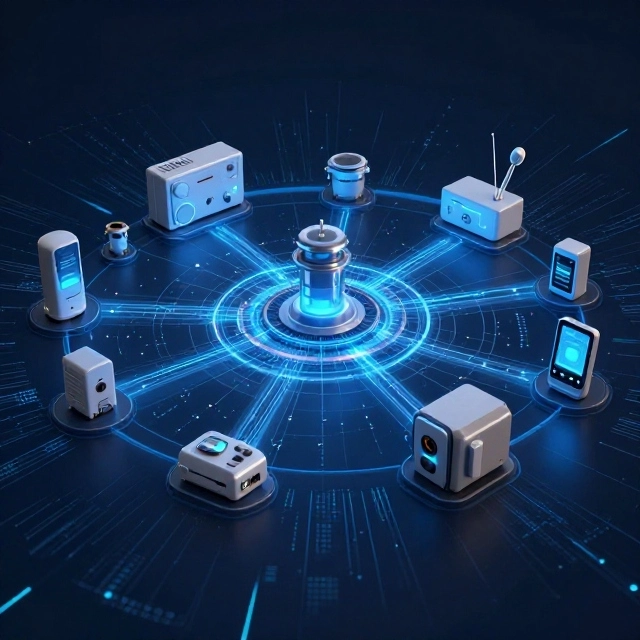
The Internet of Things (IoT) connects physical devices, sensors, and equipment with software systems that collect, exchange, and process information.
For businesses, connected technologies create opportunities to monitor operations, gather real-time information, and improve how physical assets and digital applications work together.
Nexus approaches IoT from a software engineering and systems integration perspective, focusing on the applications, data processing, and connectivity requirements that support connected business environments.
Practical Internet of Things Applications
IoT technologies can support different operational requirements depending on the devices, connectivity infrastructure, and business objectives involved.
Connected Device Integration
Develop software applications that communicate with connected devices and external systems through appropriate APIs, communication protocols, and integration interfaces.
Remote Monitoring Applications
Create software platforms that collect and present information from connected equipment and sensors, helping organizations monitor operational conditions remotely.
Sensor Data Collection and Processing
Develop applications that receive, process, organize, and store information generated by connected devices.
Appropriate data processing can help transform raw sensor information into useful operational insights.
Equipment and Asset Monitoring
Software applications can help organizations collect information about equipment status, operating conditions, and asset activity.
Such applications may support maintenance planning and operational visibility.
Industrial and Business Automation
Integrate connected devices with software applications and existing business systems to support automated workflows and information exchange.
IoT Dashboards and Reporting
Develop web-based dashboards that present device information, sensor readings, operational status, and historical data in accessible formats.
IoT Software Development and Integration
Successful IoT applications require more than connecting individual devices.
The software environment must handle communication, data collection, processing, storage, application interfaces, and integration with other systems.
Nexus approaches these requirements through:
- Understanding business and operational objectives.
- Designing suitable software architectures.
- Developing device and API integration interfaces.
- Implementing data collection and processing applications.
- Designing databases for connected-device information.
- Developing monitoring dashboards and reporting applications.
- Integrating IoT applications with existing business systems.
Connecting Physical Devices with Business Software
IoT environments often involve multiple components working together:
- Connected devices and sensors.
- Communication networks and protocols.
- Data collection and processing services.
- Application databases.
- Web-based monitoring interfaces.
- Existing enterprise software.
A well-designed software architecture helps these components exchange information reliably and supports future application development.
Nexus can address the software development and integration requirements involved in connecting these technology environments.
Security and Reliability Considerations
Connected devices and IoT applications introduce important security and operational considerations.
Depending on the application, these may include device authentication, secure communication, access controls, data protection, monitoring, and software maintenance.
These requirements should be considered throughout application architecture and development rather than treated as an afterthought.
Explore Related Engineering Capabilities
IoT software projects can involve several areas of software engineering.
Explore our related capabilities:
Discuss Your IoT Software Requirements
Whether you are exploring connected-device applications, developing a remote monitoring platform, or integrating device-generated information with existing business software, Nexus can help evaluate the software engineering requirements.